physical ai

Auto Added by WPeMatico

Robot Training Data

How Robot Training Data and Manipulation Datasets Power Real-World Robotics in 2026

Most robotics models work flawlessly in the demo and fall apart in deployment. The reason is almost never the architecture — it’s the data. A policy trained on staged tabletops and predictable objects collapses the moment it sees a cluttered apartment or a real warehouse aisle. Closing that gap is what robot training data and […]

How Robot Training Data and Manipulation Datasets Power Real-World Robotics in 2026 Read More »

Banner for AI & Big Data Expo by TechEx events.

Weis Markets adds Instacart AI-powered shopping carts to stores

Weis Markets is adding Instacart’s AI-powered shopping carts, Caper Carts, to select stores in Pennsylvania, bringing digital coupons, loyalty features, and repeat-purchase recommendations into the grocery aisle. The Pennsylvania-based grocery chain is working with Instacart to deploy the smart carts, which include cameras, certified scales, location systems, and a touchscreen. According to Instacart, Caper Carts

Weis Markets adds Instacart AI-powered shopping carts to stores Read More »

Robot Training Data Strategy

Robot Training Data Strategy: Teleoperation vs Simulation vs Human Video for Embodied AI

Building a robot policy that works in the real world isn’t a computer problem anymore — it’s a data problem. Embodied AI teams have three options for fueling their models: teleoperation, simulation, and human video. Each comes with a different cost curve, a different fidelity profile, and a different ceiling on what your robot can

Robot Training Data Strategy: Teleoperation vs Simulation vs Human Video for Embodied AI Read More »

NVIDIA Releases Cosmos 3: A Two-Tower Mixture-of-Transformers Foundation Model Unifying Physical Reasoning, World Generation, and Action Generation

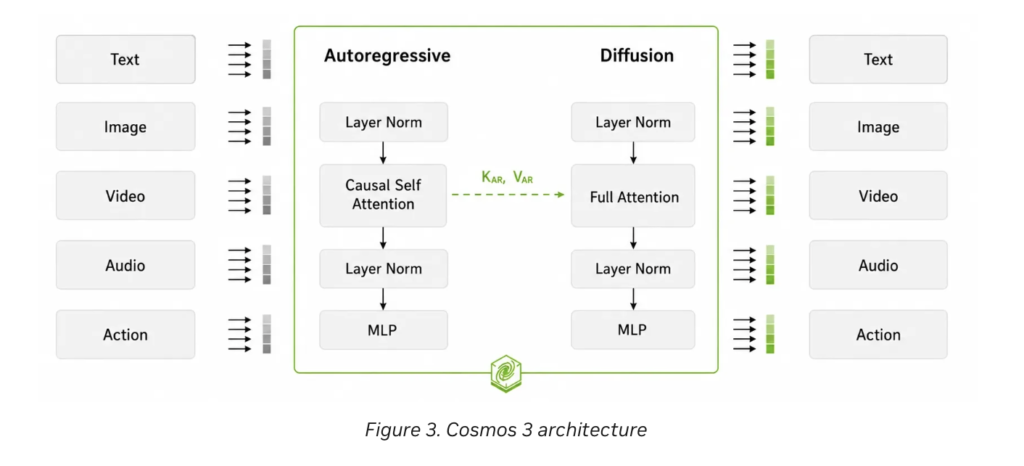
NVIDIA AI team have released Cosmos 3. It is a family of omnimodal world models for physical AI. The models combine physical reasoning, world generation, and action generation. All three capabilities live inside one open model. NVIDIA open sourced the checkpoints, training scripts, deployment tools, and datasets. The Cosmos 3 release targets robotics, autonomous vehicles,

NVIDIA Releases Cosmos 3: A Two-Tower Mixture-of-Transformers Foundation Model Unifying Physical Reasoning, World Generation, and Action Generation Read More »

Physical AI Dataset Stack

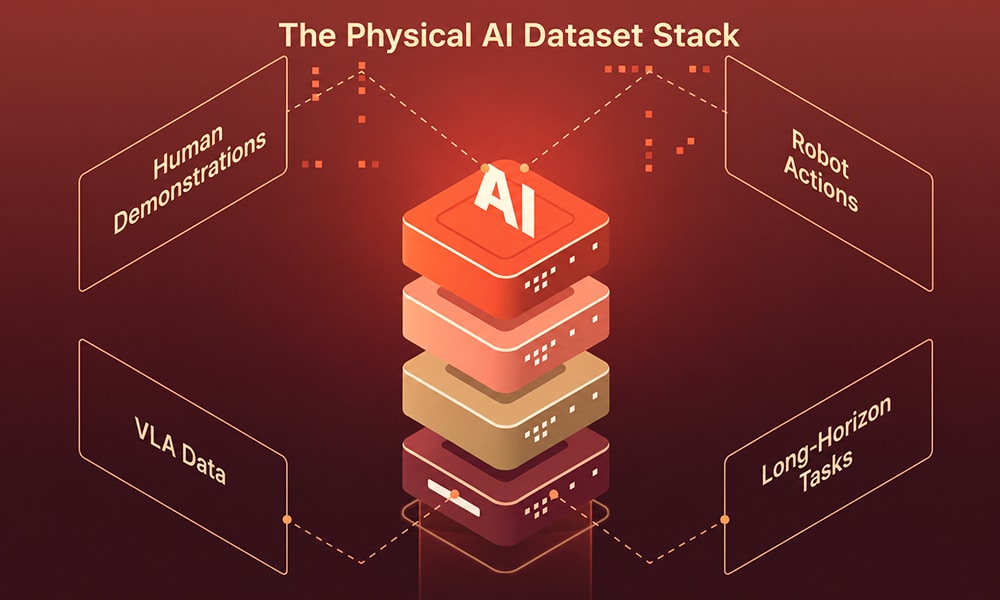
The Physical AI Dataset Stack: Human Demonstrations, Robot Actions, VLA Data, and Long-Horizon Tasks

Most physical AI teams know they need data. Few know they need a stack of it. The capabilities a deployed humanoid, AV, or warehouse robot needs — perception, action, instruction following, multi-step workflow execution — each map to a different layer of training data, with different collection methods, annotation depth, and quality controls. The physical

The Physical AI Dataset Stack: Human Demonstrations, Robot Actions, VLA Data, and Long-Horizon Tasks Read More »

Genesis AI Releases Nyx, Quadrants, and Genesis World 1.0 Physics Platform for Scalable Robotics Foundation Model Evaluation

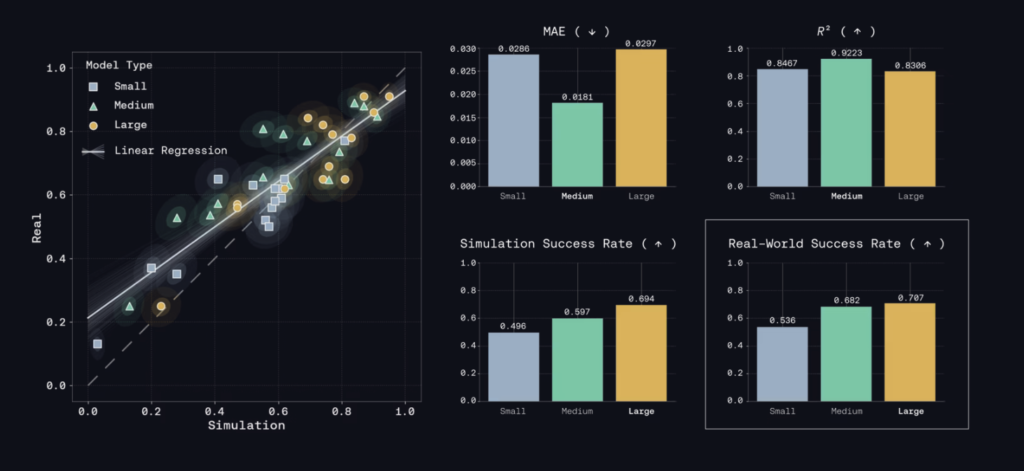
Genesis AI released Genesis World 1.0. The platform consists of four components: the Genesis World physics engine, Nyx (a real-time path-traced renderer), Quadrants (a Python-to-GPU compiler), and a simulation interface. It is designed to accelerate robotics foundation model development through simulation-based evaluation. Robotics model development has two bottlenecks: data and iteration speed. The field has

Genesis AI Releases Nyx, Quadrants, and Genesis World 1.0 Physics Platform for Scalable Robotics Foundation Model Evaluation Read More »

Physical AI

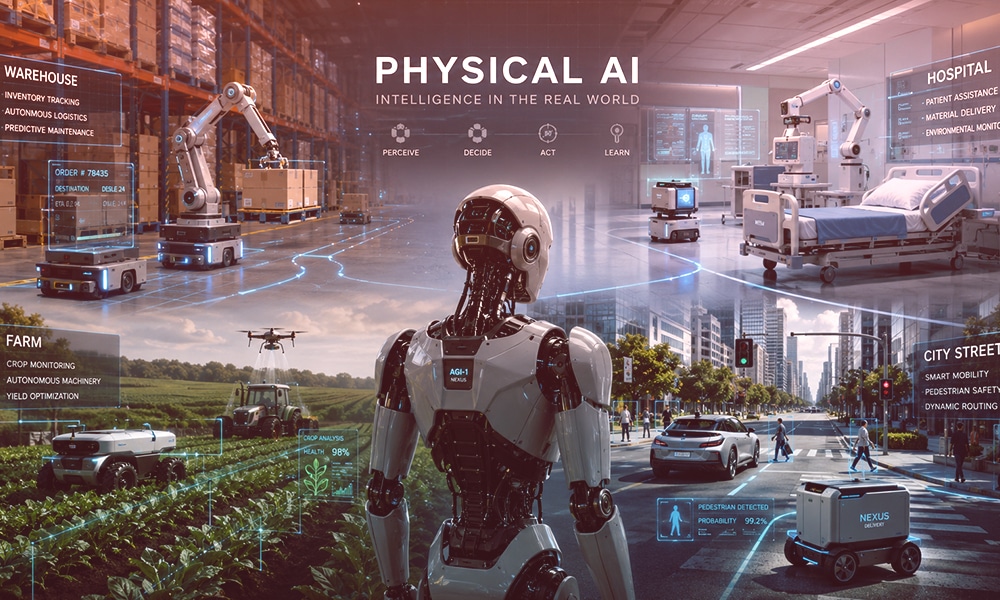
Physical AI is Redefining Autonomous Intelligence

For the past decade, artificial intelligence mostly lived on a screen. It answered questions, finished sentences, sorted images, and recommended the next thing to watch. That era is ending. The next wave of AI has hands, wheels, rotors, and sensors — and it’s being asked to operate reliably in warehouses, hospitals, farms, and city streets.

Physical AI is Redefining Autonomous Intelligence Read More »

Banner for AI & Big Data Expo by TechEx events.

Autonomous AI systems test governance in physical environments

Autonomous AI systems are beginning to move beyond software environments and into warehouses, delivery networks, and public spaces. The development is drawing attention to whether current AI rules cover systems that operate in physical environments. Most existing AI governance frameworks have focused on online harms and model outputs, including bias, misinformation, and harmful content. Embodied

Autonomous AI systems test governance in physical environments Read More »

VLM vs VLA

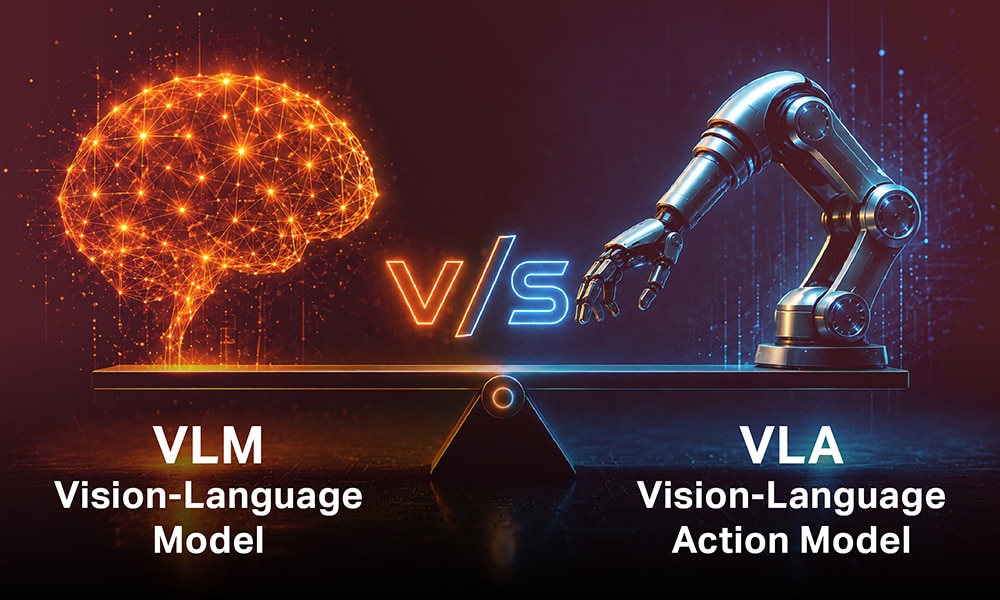
VLM vs VLA: Why Vision-Language Models Are Not Enough for Robotics

Two model classes get conflated in robotics conversations: vision-language models and vision-language-action models. They sound similar, both ingest images and text, and both come from the same lineage of multimodal pretraining. But for anyone trying to deploy an AI system that moves — not just describes — the distinction is decisive. VLM vs VLA is

VLM vs VLA: Why Vision-Language Models Are Not Enough for Robotics Read More »

NVIDIA AI Releases Gated DeltaNet-2: A Linear Attention Layer That Decouples Erase and Write in the Delta Rule

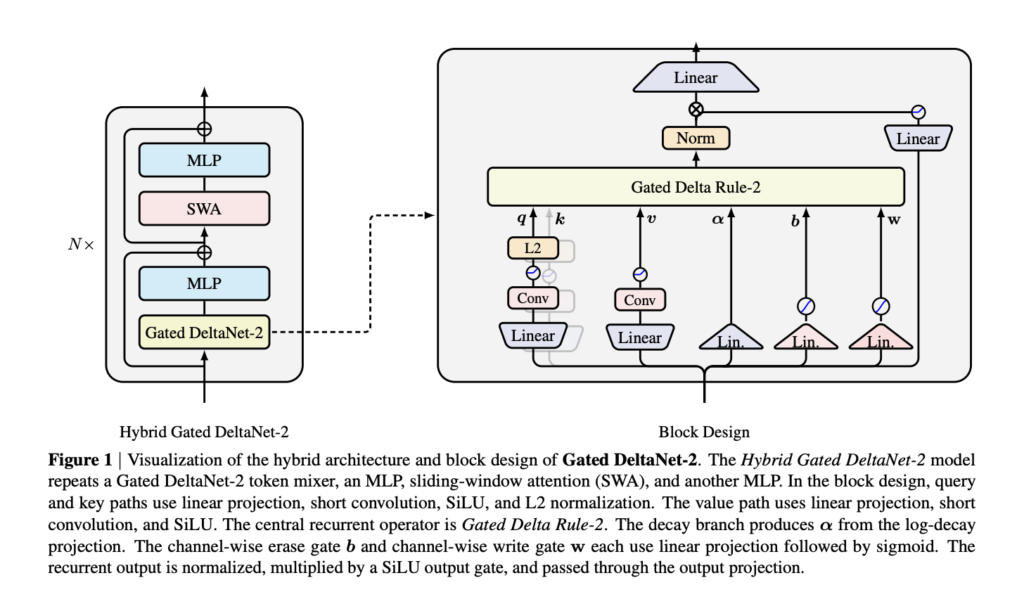
Linear attention replaces the unbounded KV cache of softmax attention with a fixed-size recurrent state. This cuts sequence mixing to linear time and decoding to constant memory. The hard part is not what to forget. It is how to edit a compressed memory without scrambling existing associations. NVIDIA has released Gated DeltaNet-2, a linear attention

NVIDIA AI Releases Gated DeltaNet-2: A Linear Attention Layer That Decouples Erase and Write in the Delta Rule Read More »