App

Auto Added by WPeMatico

She died at the San Diego border. A surveillance camera was in plain sight

She had only walked for a couple of hours, and already she was lost.  It was early afternoon on Sept. 14, 2025, when 30-year-old Graciela Gómez Hernández crossed the border from the eastern edge of Tijuana into Southern California, sending voice messages to her mother and sister as she walked.  This story is part of Dying […]

She died at the San Diego border. A surveillance camera was in plain sight Read More »
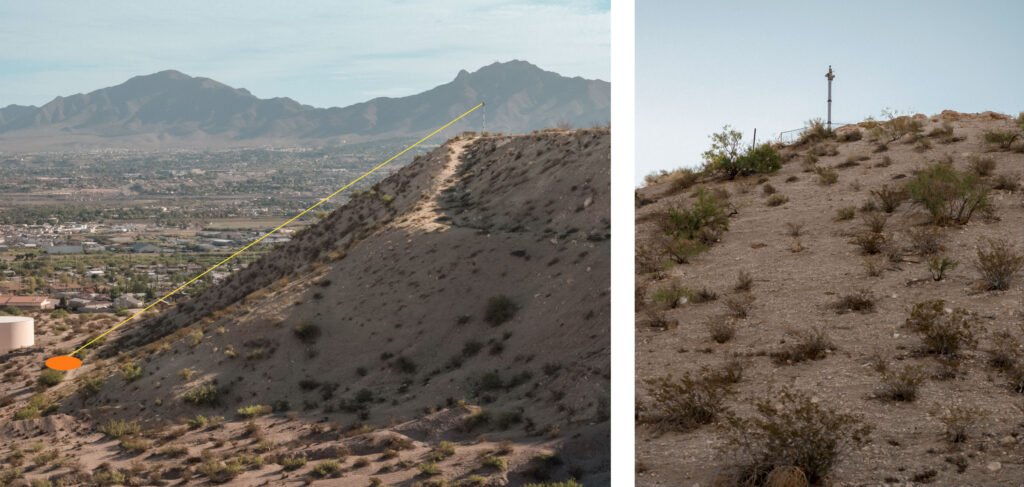
View from the grid location where a body was found towards Border Patrol Surveillance Tower 022, along the southern U.S. border in Sunland Park, New Mexico.

The US spent billions on border surveillance. Why can’t it catch people before they die?

When José Morales Bernal crossed the border into the United States on April 8, 2024, the day before his 32nd birthday, it should have triggered a chain of technological alerts and human responses.  As he walked through the desert in southern New Mexico that morning, he was within range of three surveillance towers. Newly installed

The US spent billions on border surveillance. Why can’t it catch people before they die? Read More »

4 ways to address the failures we found along the US border’s “virtual wall”

MIT Technology Review today published our investigation into how many people have died near the “virtual wall” of surveillance towers that the US government has installed along the US-Mexico border. We found cases of people who walked undetected through areas surveilled by advanced, AI-enabled towers and later died nearby, where their bodies remained unnoticed for

4 ways to address the failures we found along the US border’s “virtual wall” Read More »

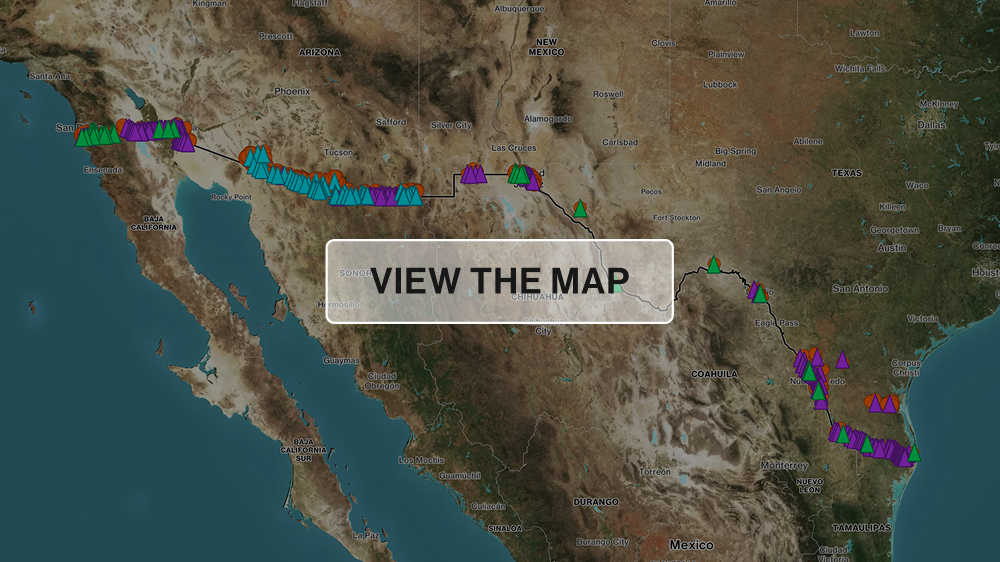
How we made the first comprehensive map of deaths along the US border’s “virtual wall”

Our 15-month investigation into death and surveillance along the US-Mexico border began with a simple question: Why did so many people die near government surveillance towers meant to help track and apprehend them? This story is part of Dying on Camera, a collaboration between MIT Technology Review and Times of San Diego. Journalists in both newsrooms spent the past

How we made the first comprehensive map of deaths along the US border’s “virtual wall” Read More »

Could AI really kill us all? Your questions, answered.

On Wednesday, MIT Technology Review hosted a live Roundtables event for subscribers that asked the question everyone’s asking right now: Could AI really kill us all? But attendees had so many more questions than we had time to answer in the 30 minute session. So we asked our senior AI editor Will Douglas Heaven and

Could AI really kill us all? Your questions, answered. Read More »

The specter of AI-enabled bioweapons is a wake-up call for biotech

In recent weeks, leaders of some of the biggest AI companies have warned that the very tech they are developing is dangerous. Last weekend, Anthropic CEO Dario Amodei argued that AI carries serious risk and that progress should be slowed. OpenAI CEO Sam Altman responded on X: “I agree with Dario that we need to pace the

The specter of AI-enabled bioweapons is a wake-up call for biotech Read More »

Meet the innovators under 35 shaping climate tech

Each year, the editorial team at MIT Technology Review puts together a list of 35 innovators under 35—a group of researchers, inventors, and other young minds worth following. The team worked on the newest edition of the list for months, and the final slate includes nine individuals from all over the world in the climate

Meet the innovators under 35 shaping climate tech Read More »

Meet a mouse whose brain cortex is made up of human cells

Multiple cameras tracked a mouse as it wandered around a small arena. A computer charted its position and speed, leaving Pong-like traces on a monitor.  The reason to watch this rodent so carefully? Nearly half its brain volume had been replaced with human cells. The effort to mix the brain tissues of distant species is

Meet a mouse whose brain cortex is made up of human cells Read More »

AI models need more data about biology, and OpenAI is paying to create it

Last year, the clinical trial policy analyst Ruxandra Teslo posted an idea for super-charging medical AI systems: use data from failed biotech companies. By bidding at their bankruptcy proceedings, she proposed, it might be possible to obtain detailed regulatory filings, manufacturing strategies, and safety data—information usually kept hidden as valuable trade secrets. She called these

AI models need more data about biology, and OpenAI is paying to create it Read More »

What must happen for AI’s trillion-dollar gamble to pay off

When Jessica Wachter, a finance professor at the University of Pennsylvania’s Wharton School, wanted to assess AI’s impact on the economy over the next few years, she faced a long list of business and technical uncertainties. So she started with what she calls a “remarkable fact” that is not in question: A handful of so-called

What must happen for AI’s trillion-dollar gamble to pay off Read More »