Data Collection

Auto Added by WPeMatico

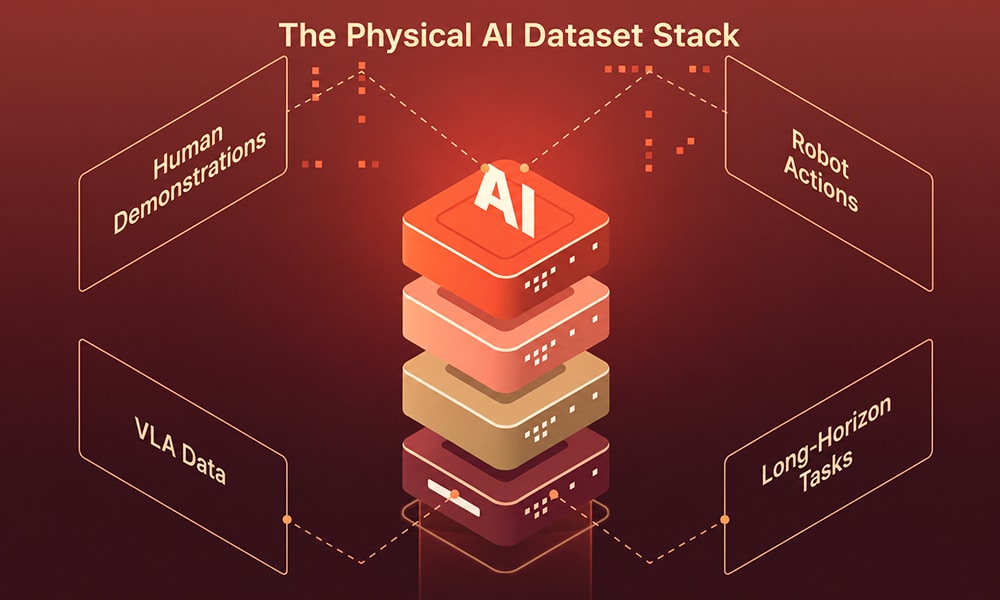
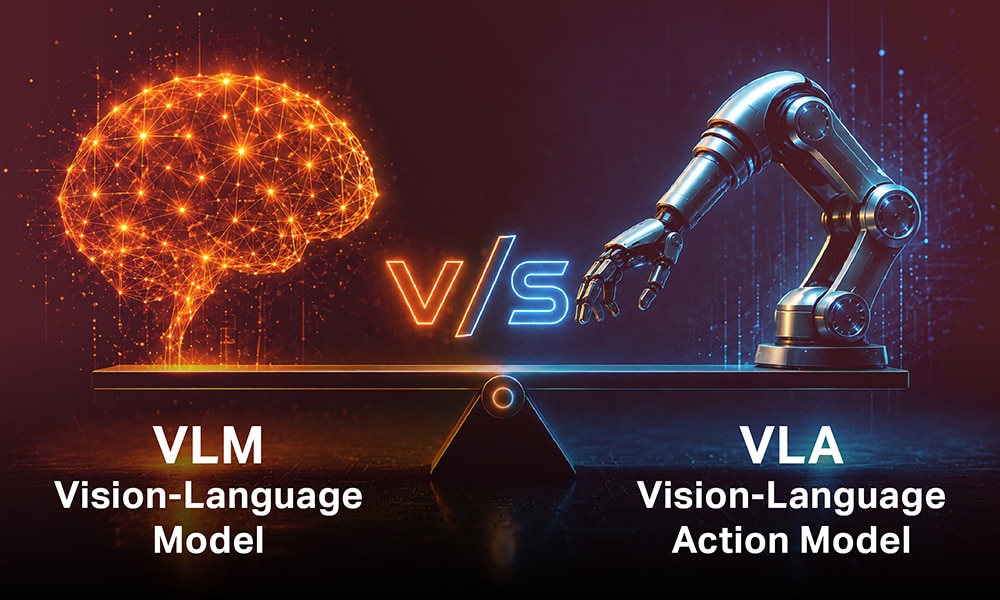
Physical AI Training Data: The Missing Layer Between Vision and Action

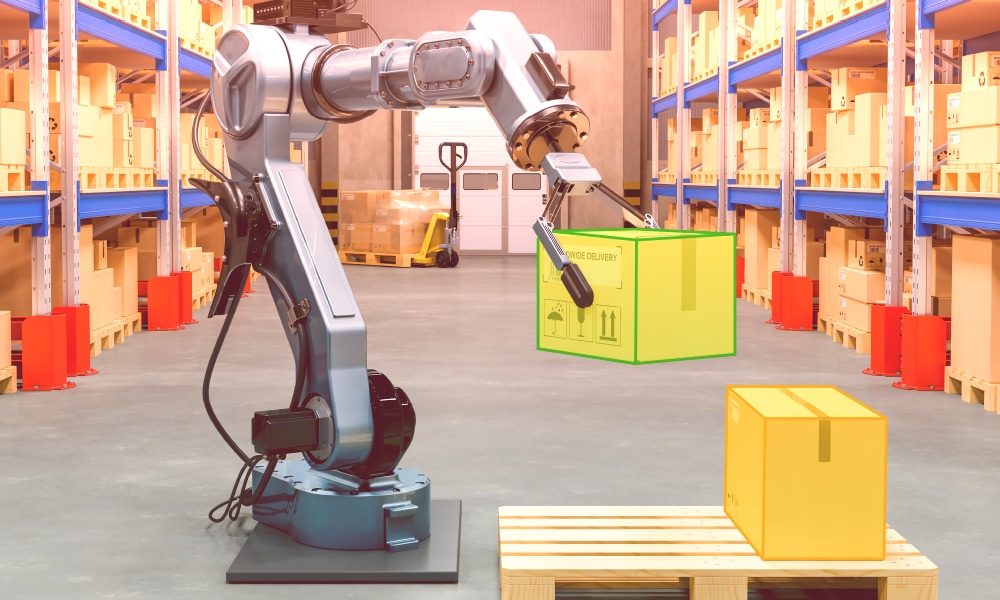
A familiar pattern has emerged in robotics and autonomous systems: a flagship demo runs beautifully on stage, the same system stumbles in a live warehouse two weeks later, and the post-mortem blames “reality” for being messier than the test environment. Some voices in the field argue the missing layer is hardware — better grippers, force-torque […]

Physical AI Training Data: The Missing Layer Between Vision and Action Read More »

What Is an Egocentric Dataset? A Guide for Robotics & Embodied AI

An egocentric dataset is a structured collection of first-person video and sensor recordings — captured from a head, chest, or wrist-mounted camera — used to train robotics and embodied AI systems on how people see, move, and act. It’s the closest match to what a robot’s onboard camera will see during operation, which is why

What Is an Egocentric Dataset? A Guide for Robotics & Embodied AI Read More »

Physical AI: How Vision AI Helps Machines Understand the Real World

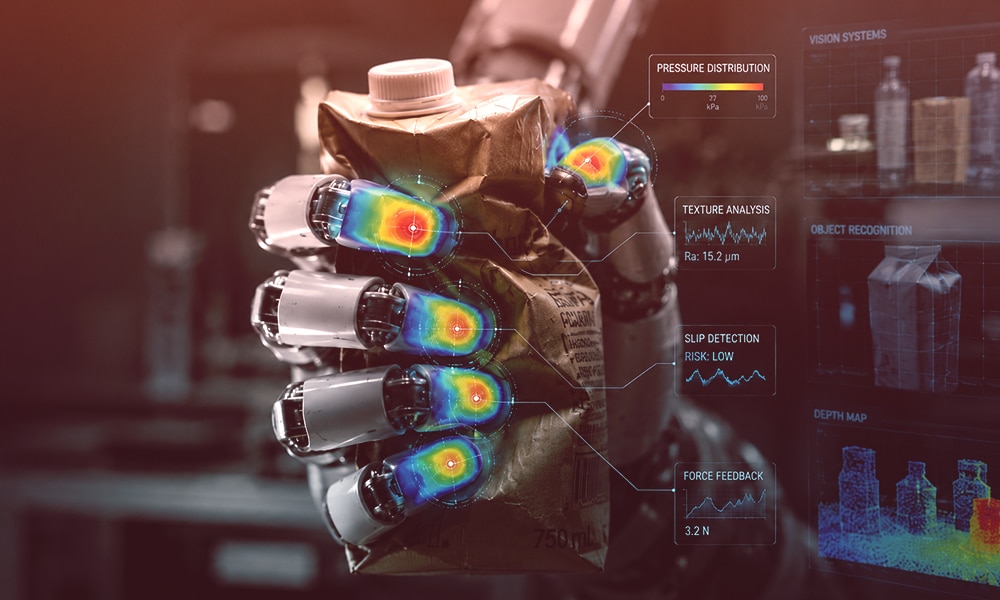
Physical AI is becoming one of the most important ideas in modern AI. Instead of working only with text prompts or digital workflows, physical AI operates in the real world. It has to interpret environments, understand movement, detect risk, and support action in spaces that are constantly changing. That is where vision AI becomes essential.

Physical AI: How Vision AI Helps Machines Understand the Real World Read More »

AI data vendor risk

What the Meta–Mercor Pause Teaches Enterprises About AI Data Vendor Risk

Recent reports that Meta paused work with Mercor after Mercor disclosed a security incident linked to the open-source project LiteLLM have put a spotlight on a part of the AI stack many enterprises still underestimate: the data and workflow layer behind model training and evaluation. For enterprise AI teams, the real lesson is bigger than

What the Meta–Mercor Pause Teaches Enterprises About AI Data Vendor Risk Read More »

What the Meta–Mercor Pause Teaches Enterprises About AI Data Vendor Risk

Recent reports that Meta paused work with Mercor after Mercor disclosed a security incident linked to the open-source project LiteLLM have put a spotlight on a part of the AI stack many enterprises still underestimate: the data and workflow layer behind model training and evaluation. For enterprise AI teams, the real lesson is bigger than

What the Meta–Mercor Pause Teaches Enterprises About AI Data Vendor Risk Read More »

AI Localization: Why Multilingual AI Still Needs Subject Matter Experts

AI systems are expanding into more languages, more regions, and more customer touchpoints. That sounds like a translation problem at first. In practice, it is much bigger than that. When a chatbot, voice assistant, search tool, or content system operates across markets, it needs to do more than convert words from one language to another.

AI Localization: Why Multilingual AI Still Needs Subject Matter Experts Read More »

Synthetic Data: How Human Expertise Turns Machine Scale Into Reliable AI Data

AI teams are under constant pressure to move faster. They need more data, more variation, and broader coverage across edge cases, languages, and formats. That is one reason synthetic data has become so attractive: it helps teams create training data at a pace that manual collection alone often cannot match. But there is a catch.

Synthetic Data: How Human Expertise Turns Machine Scale Into Reliable AI Data Read More »

How Much Training Data Do You Really Need for Machine Learning in 2026?

A successful machine learning model starts with high-quality training data. But one of the most common questions teams ask at the start of an AI project is: how much training data is enough? The honest answer is that there is no fixed number that works for every project. The amount of data you need depends

How Much Training Data Do You Really Need for Machine Learning in 2026? Read More »

AI Data Collection Buyer’s Guide

AI Data Collection: What It Is and How It Works Learn the process, methods, best practices, benefits, challenges, costs, real world example and how to choose the right data collection partner. Table of Contents Download eBook Get My Copy Introduction Artificial intelligence (AI) is now part of everyday work—powering chatbots, copilots, and multimodal tools that

AI Data Collection Buyer’s Guide Read More »

Video Data Collection: Best practices, applications, and real-world AI use cases

If you’re building computer vision models today, you’re no longer asking whether you need video data—you’re asking how to collect the right video data without creating a privacy, bias, or quality nightmare. This guide walks through what video data collection actually means in AI projects, how it connects to video annotation, and the best practices

Video Data Collection: Best practices, applications, and real-world AI use cases Read More »