Shaip Blogs

Auto Added by WPeMatico

VLA models

VLA Models: What Vision-Language-Action Models Need from Training Data

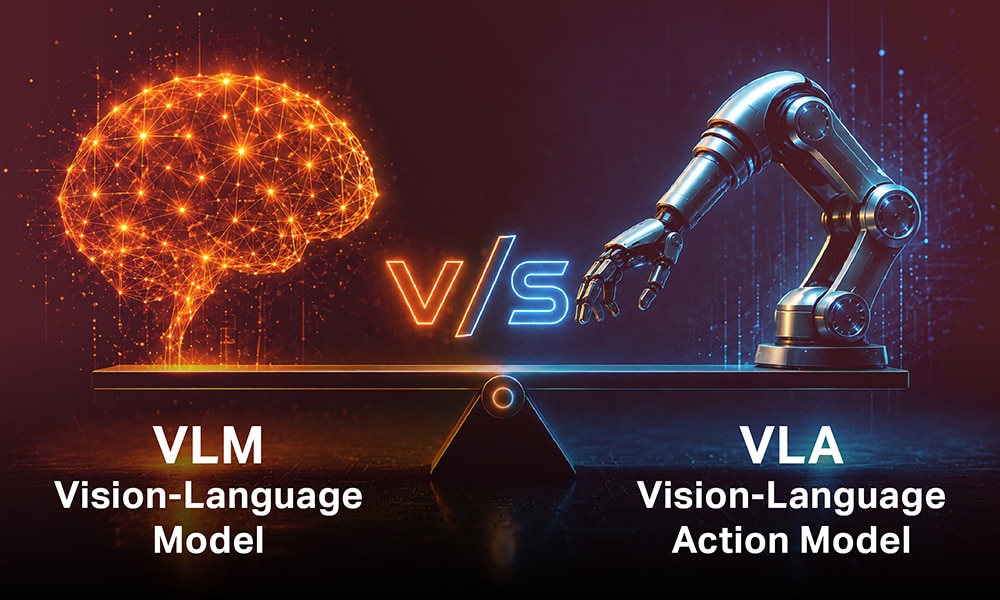
The shift from chatbots to robots that follow natural-language commands runs through a single class of models. VLA models — vision-language-action models — combine visual perception, language understanding, and action generation in one neural network. Their power is real, but it depends almost entirely on the training data they ingest. This guide explains what VLA […]

VLA Models: What Vision-Language-Action Models Need from Training Data Read More »

Tactile Sensing Data

Tactile Sensing Data: The Training Signal Behind Robots That Can Actually Feel

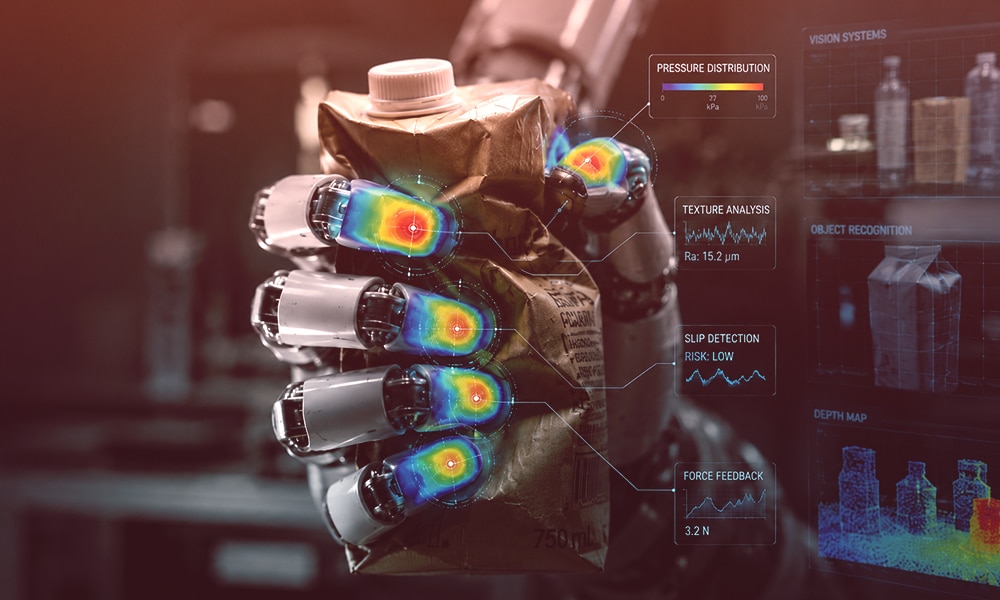
Robots can see. Internet-scale image datasets and a decade of refined models made that possible. But ask a robot to actually pick up a half-crushed carton, thread a cable, or hand a tool to a surgeon, and the wheels come off. Not because the cameras failed. Because nothing in the robot’s training ever taught it

Tactile Sensing Data: The Training Signal Behind Robots That Can Actually Feel Read More »

Robotics Data Annotation

How to Annotate Robotics Data: Objects, Actions, Intent, Motion, and Failure Modes

A robot that picks the wrong box, freezes in front of a person, or drops a fragile part rarely fails because of bad code. It fails because something it was taught to recognize wasn’t labeled correctly — or wasn’t labeled at all. Robotics data annotation is what stands between raw sensor streams and a robot

How to Annotate Robotics Data: Objects, Actions, Intent, Motion, and Failure Modes Read More »

Humanoid Robot Training Data

Humanoid Robot Training Data: What Teams Need Before Deployment

Humanoid robots are crossing the gap from lab demos to real warehouses, kitchens, and factory floors — but most teams discover the hard part isn’t the model. It’s the data behind it. Foundation models can recognize a cup; deploying a humanoid that picks one up, hands it to an elderly person, and adapts when the

Humanoid Robot Training Data: What Teams Need Before Deployment Read More »

Physical AI Training Data

Physical AI Training Data: The Missing Layer Between Vision and Action

A familiar pattern has emerged in robotics and autonomous systems: a flagship demo runs beautifully on stage, the same system stumbles in a live warehouse two weeks later, and the post-mortem blames “reality” for being messier than the test environment. Some voices in the field argue the missing layer is hardware — better grippers, force-torque

Physical AI Training Data: The Missing Layer Between Vision and Action Read More »

Egocentric Dataset

What Is an Egocentric Dataset? A Guide for Robotics & Embodied AI

An egocentric dataset is a structured collection of first-person video and sensor recordings — captured from a head, chest, or wrist-mounted camera — used to train robotics and embodied AI systems on how people see, move, and act. It’s the closest match to what a robot’s onboard camera will see during operation, which is why

What Is an Egocentric Dataset? A Guide for Robotics & Embodied AI Read More »

How Conversational AI Could Redefine Airline Customer Support

Airline customer service is one of the toughest real-world environments for AI. Customers rarely contact an airline when things are going smoothly. They reach out when a flight is delayed, a connection is missed, baggage is lost, or a last-minute change becomes urgent. In these moments, they do not want a maze of phone menus

How Conversational AI Could Redefine Airline Customer Support Read More »

Physical AI: How Vision AI Helps Machines Understand the Real World

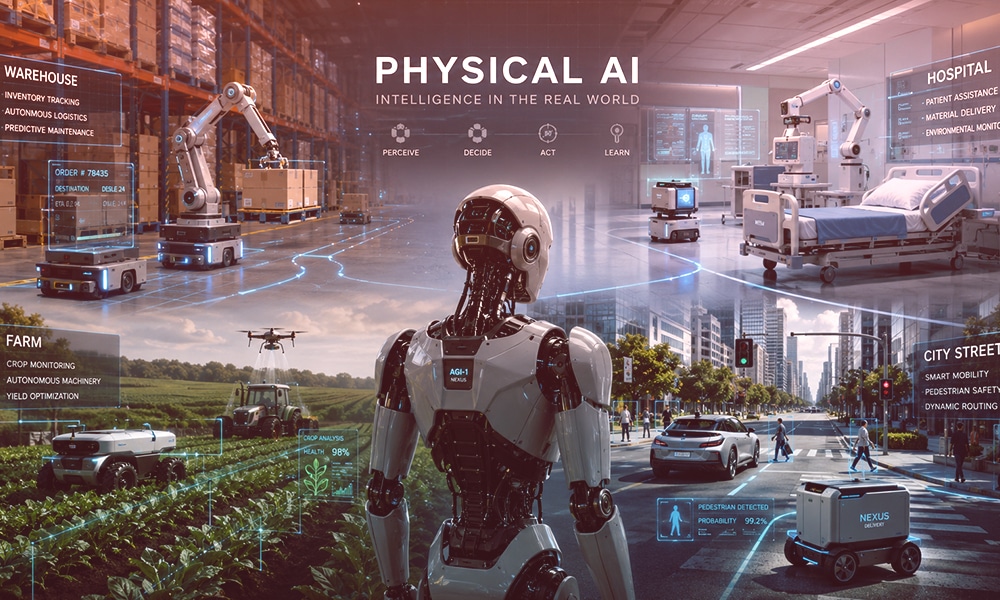
Physical AI is becoming one of the most important ideas in modern AI. Instead of working only with text prompts or digital workflows, physical AI operates in the real world. It has to interpret environments, understand movement, detect risk, and support action in spaces that are constantly changing. That is where vision AI becomes essential.

Physical AI: How Vision AI Helps Machines Understand the Real World Read More »

Why Enterprise AI Teams Are Reassessing Cheap Data and Fast Vendors

For the last two years, many AI buyers have optimized for one thing above all else: speed. Faster pilots. Faster fine-tuning. Faster evaluation cycles. Faster vendor onboarding. But recent developments around AI supply-chain risk are changing that mindset. Once risk enters the data and workflow layer, speed stops being the headline and trust becomes the

Why Enterprise AI Teams Are Reassessing Cheap Data and Fast Vendors Read More »

7 Questions to Ask Any AI Data Vendor After a Supply-Chain Security Incident

The recent Mercor reporting has become a useful wake-up call for enterprise AI buyers. Mercor confirmed a security incident tied to a LiteLLM-related supply-chain attack, and reports said Meta paused work with the company while investigations continued. For security, procurement, and AI leaders, the lesson is simple: vendor review can no longer stop at the

7 Questions to Ask Any AI Data Vendor After a Supply-Chain Security Incident Read More »